
Hello?? Can You See Me?!
In the grand scheme of pressing social issues that we need to address for the betterment of humanity, representation in the arts might feel like it is at the bottom of the list. I’m not saying our economy, climate and overall welfare are in shambles because the Prince of Persia is played by Jake Gyllenhaal. Although, who really knows the repercussions of casting a Swedenborgian to represent the leader of the Persian empire. Things haven’t exactly been going so great since then…
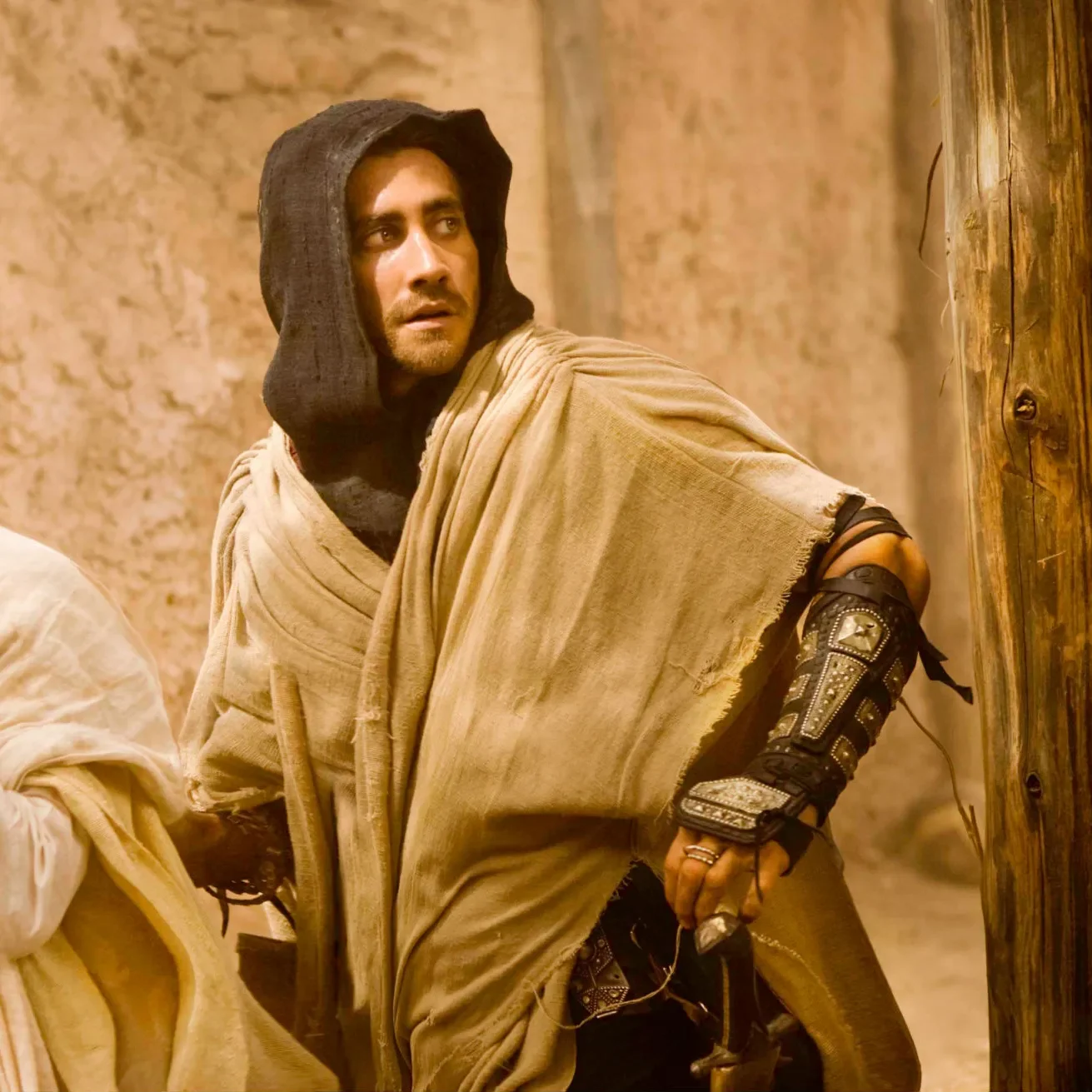
سلام علیکم
salām aleykom, brother.
No, I am of course kidding, but it is well researched that false cultural representations have harmful social effects and that visual media is greatly influential on human beliefs and social behaviour. As Stuart Hall describes it, culture is the creation and exchange of meanings within a society. How we decide to represent things in art ultimately gives meaning to our culture. So, the decision to produce the Prince of Persia at that time and how the story was recounted through the images of Jake Gyllenhaal elicit a meaning that people impose onto broader culture. Whether they realize it or not.
But, Mojeane, don’t you know that representation is at a historic high! They’re working on it! I mean, we all know what DEI stands for now! #MeToo was so successful now demonic men are talking about women having it TOO good! And #OscarsALittleLessSoWhite! Well, reader, I am more cynical than I’d like to admit and like many underrepresented actors, I feel something that you may not feel. That I’m being told I am being given exactly what I want, for my betterment, when I’m not seeing it.
Yes, representation is at an all-time high, but only in non-leading roles. Yes, representation is at an all-time high, but the algorithmic nature and lack of transparency of streaming services means that diverse stories are likely under-watched comparatively. Representation hasn’t reflected recognition, where stereotypes of underrepresented groups are the primary narratives of the stories being produced. Representation hasn’t reflected adequate pay, especially for new actors who are being cast in these diverse stories. I could go on about the gaps, but do you want to hear it? Do you just want the representation and now you are satisfied? I wonder, if representation is not for the sake of respect, recognition… then what is it for? Who is it for?
I don’t want our conversation about diverse representation to stop yet. I don’t want us to begin addressing an issue, a gap, and then back away when it is time to rectify the nuance of the issue. When it is time to solve the problem as it demands to be solved, not in a manner that benefits the best interest of a bunch of rich people’s bottom lines.
I became an actor with the Canadian ACTRA union in 2020. At that time, ACTRA’s diversity and inclusion committee, which was founded in the 1980s, was actively pushing for representation in Canadian productions and festivals. I even got to attend BIPOC TV and FILM workshops, which promoted racialized actors through online showcases and social media promotions. To this day, ACTRA and so many organizations are working so hard to rectify these struggles. Without them, I don’t think I would have ever had the privilege of becoming an actor. I am grateful for the push in representation during that time, that without I may not have been able to begin a career. Post 9/11, representative media for people who look like me were few and far between. But, do I feel more seen? Sometimes. But a lot of the time, even in front of the camera, I’m asking myself: do they even see me?
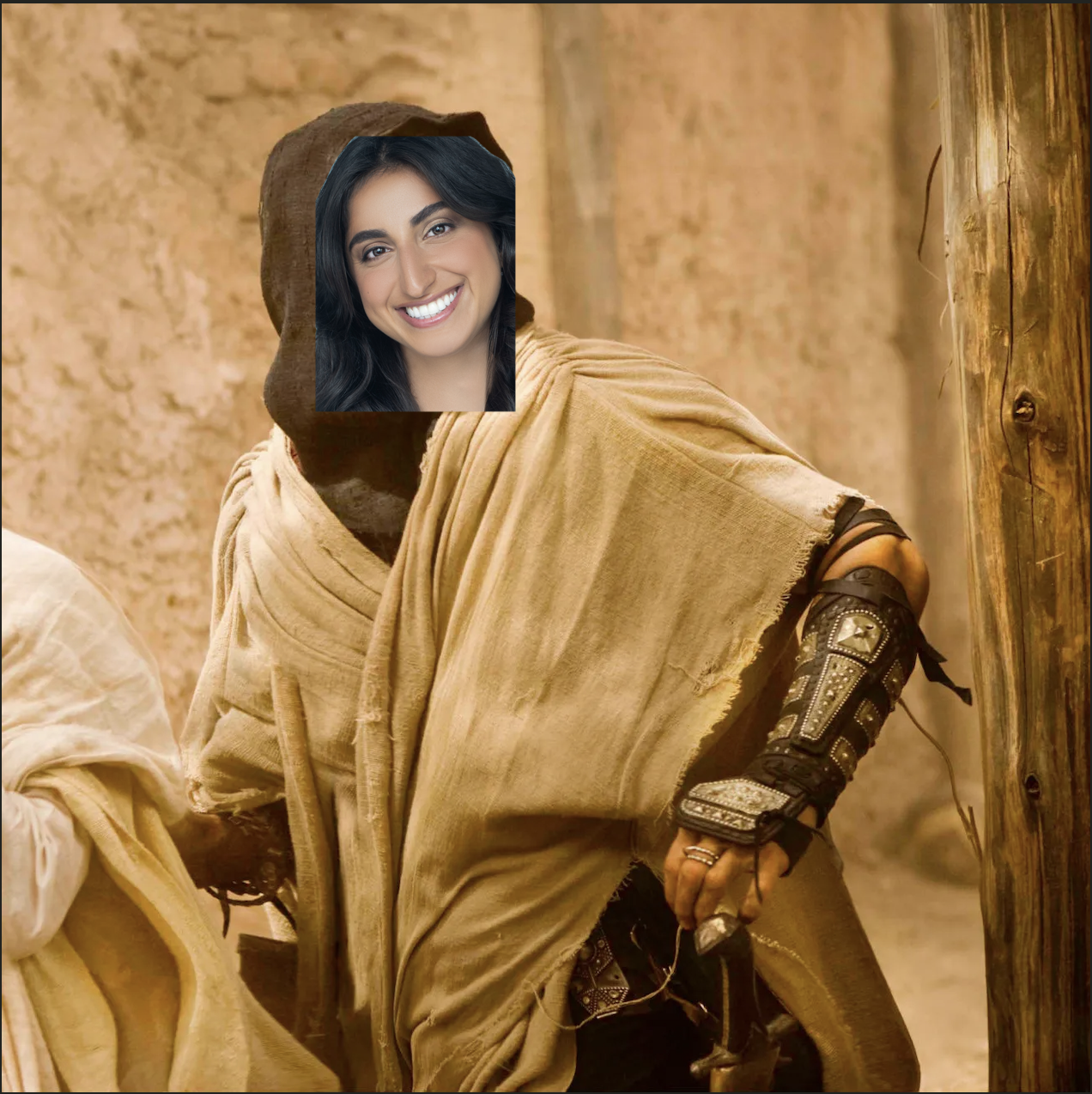
anyway.